Vehicle Preparation
Engineering a 1960 Series 2 for Extreme Heat & Humidity
Taking a 60+ year old Series 2 Land Rover out of temperate zones and driving straight into intense tropical heat, extreme humidity, and monsoonal downpours requires serious preparation. To safely navigate our upcoming overland routes across Australia and Southeast Asia, we have overhauled the mechanical cooling system and completely engineered the interior cabin environment.
Mechanical & Cooling System Overhaul
Operating an early 2.25-litre Series 2 petrol engine in ambient temperatures exceeding 35°C with near 100% humidity presents immediate thermal management challenges. Classic Land Rovers were designed primarily for temperate agricultural duties, relying on small brass-cored radiators and fixed mechanical belt-driven fans. In heavy tropical mud, corrugated sand tracks, or slow-moving border queues, airflow through the front grille drops to zero while thermal load spikes rapidly. By combining a high-capacity radiator core with a low-opening tropical thermostat, coolant begins circulating through the cooling fins much earlier in the heat cycle, preventing vapor lock and head gasket failure before high temperatures can build up.
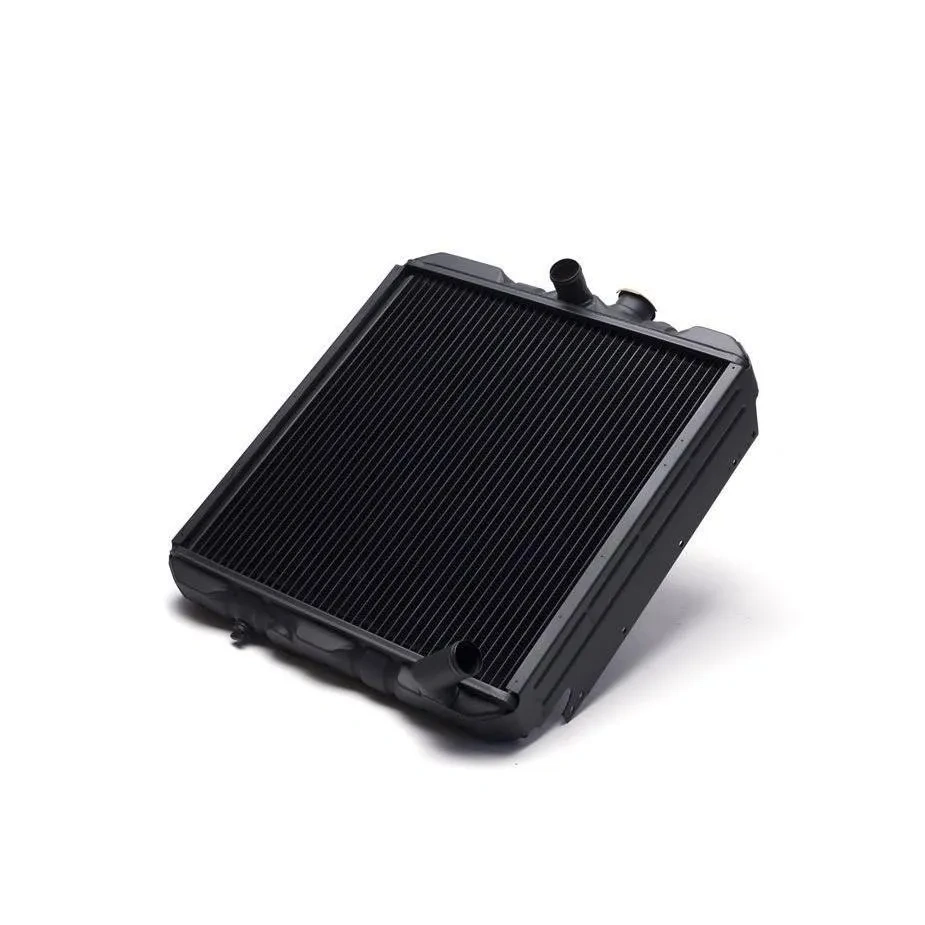
Larger Radiator
Swapping out the factory unit for a high-efficiency, multi-core radiator to drastically upgrade our total base cooling capacity.
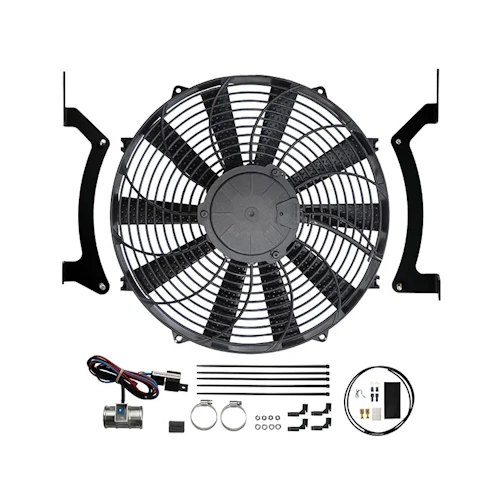
Switch-Operated Fan
An auxiliary electric fan wired directly to a manual dash toggle switch to force maximum airflow when idling or in heavy terrain.
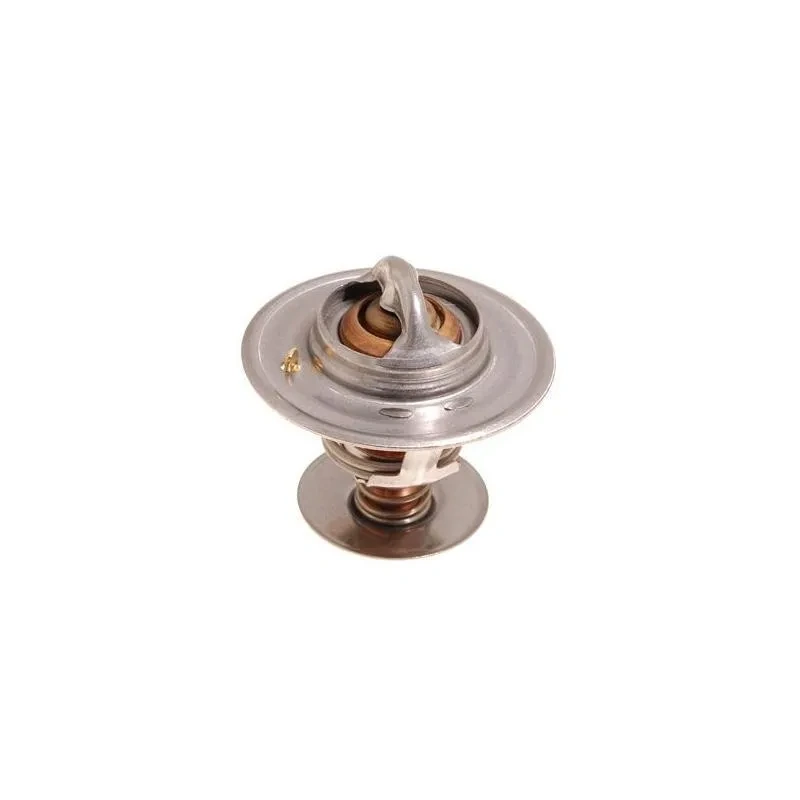
Tropical Thermostat
Utilizing a lower-opening thermostat to cycle coolant into the radiator early, staying ahead of potential thermal spikes.
Cabin & Living Space Thermal Insulation
An uninsulated bare aluminum cabin easily transforms into a mobile sauna under a tropical sun. Aluminum absorbs solar radiation rapidly, radiating heat through the roof panels, footwells, and seat boxes directly onto the occupants. To make long driving days survivable for both us and Peanut the cat, we implemented a layered thermal barrier system. Combining reflective foil insulation, heavy rubber dampening, ceramic window tinting, and an active EcoFlow air conditioning unit keeps internal cab temperatures down and humidity manageable.

Roof Insulation
Heavy-duty rubber and foil insulation installed along the bare metal ceiling and sides, covered in black TunnelCore to block radiant heat.
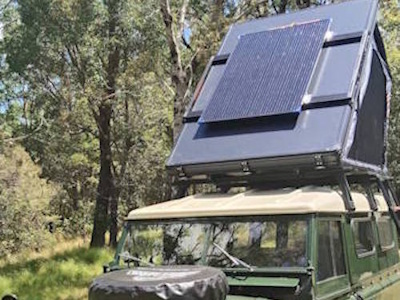
RTT "Tropical Roof"
Our permanently mounted rooftop tent acts as a massive physical sunshield, leaving an insulated air gap above the aluminum roof skin.
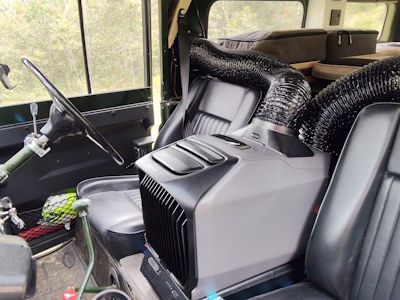
EcoFlow Wave 3 Aircon
The front middle seat was sacrificed to bolt in a battery powered climate control unit directly inside the driving cab, backed by its own solar panel.

Window Tinting
High-performance, heat-rejecting ceramic window tint applied across all glass to minimize solar load throughout the day.
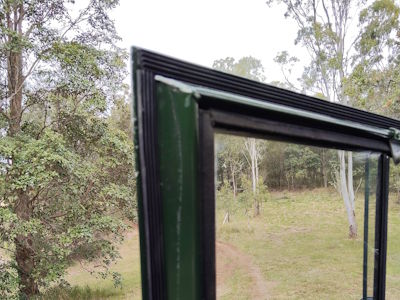
Monsoon Sealing
Extra rubber weatherstripping added to seal off bulkhead gaps and factory door gaps against heavy tropical rain.
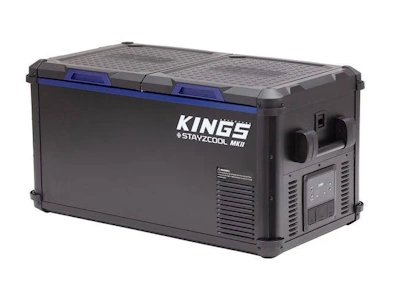
75-Litre Fridge
A high-capacity dual zone overlanding fridge powered by our onboard electrical system to ensure a steady supply of fresh food and cold water.
Explore the Full Build & Expedition
From a bare-chassis mechanical rebuild to custom camper fabrication, follow every stage of prepping this 60+ year old Series 2 for the ultimate global expedition.
The Grand Expedition
All of these grueling tropical preparations are for the ultimate test: a massive overland expedition driving a classic 1960 Land Rover from Australia to the UK. Explore our route maps and logistics:

Peanut's Perspective
"I have officially authorised the removal of the front middle seat. While losing a potential napping platform is regrettable, replacing it with a dedicated EcoFlow Wave 3 climate control unit is a highly acceptable trade-off for a cat with a thick fur coat. If the 75-litre fridge is not adequately stocked with chilled treats, however, renegotiations will occur."
Landy Rover 8 Rules of the Road
Crucial guidelines we live by to keep the vehicle together and spirits high on any expedition:
- Don't get arrested.
- If we like somewhere, we stay for a bit.
- No more than 300 or 400km per day.
- Check the engine oil every day.
- Change the engine oil every 5000km.
- Investigate weird noises.
- No driving at night (you can't see anything anyway).
- Have a fun time!
After spending 3 years restoring a Series Land Rover, and then spending one year building a custom 4WD campervan, we are now embarking on the ultimate trip: driving from Australia to the UK! As a result, we must ensure our Series 2 Land Rover is fully equipped to handle tropical heat and cabin temperatures.